Government records, witness testimony and scientific data all shape the disclosure debate. Understanding what each can establish is the starting point.
UFO disclosure is the effort to make governments’ information about unidentified objects and events available for public scrutiny. It asks what authorities have recorded, how they investigated those reports and whether their conclusions can be independently examined.
The issue combines a scientific question — what caused an observation — with a question of accountability: who has access to the evidence, and who can challenge how it was handled? An approach grounded in evidence pursues those questions without deciding the outcome in advance.
What do UFO and UAP mean?
UFO stands for unidentified flying object. UAP stands for unidentified anomalous phenomena, the terminology now used in official US reporting. Older documents may use unidentified aerial phenomena.
Both labels describe a gap in identification. Establishing an observation’s origin requires additional evidence. NASA, the US space agency, says there is no evidence that UAP are extraterrestrial and that limited data often prevent scientific conclusions about individual observations. NASA’s UAP explanation.
An unresolved case may justify further investigation. Its unresolved status alone does not establish an extraordinary explanation.
What disclosure looks like in practice
A useful disclosure process has three connected parts:
- Public access: releasing records with enough context for people to understand their contents, origins and limitations.
- Accountability: allowing appropriate oversight bodies to examine how investigations, funding and sensitive information are handled, including allegations of undisclosed activities.
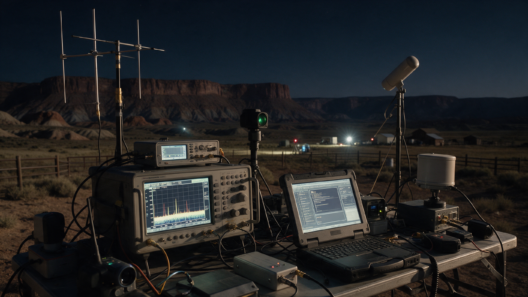
- Scientific scrutiny: making observations, methods and supporting data available for independent analysis wherever possible.
These steps serve different purposes. A hearing can put questions on the public record. An archive can preserve evidence. A scientific investigation can test explanations. Progress depends on connecting those activities so that claims can be checked.
What has already been made public?
The US National Archives and Records Administration (NARA) maintains a dedicated UAP collection created under the National Defense Authorization Act for fiscal year 2024. Agencies must identify and organize relevant records for transfer, and NARA makes publicly releasable material available online. NARA’s guide to the collection.
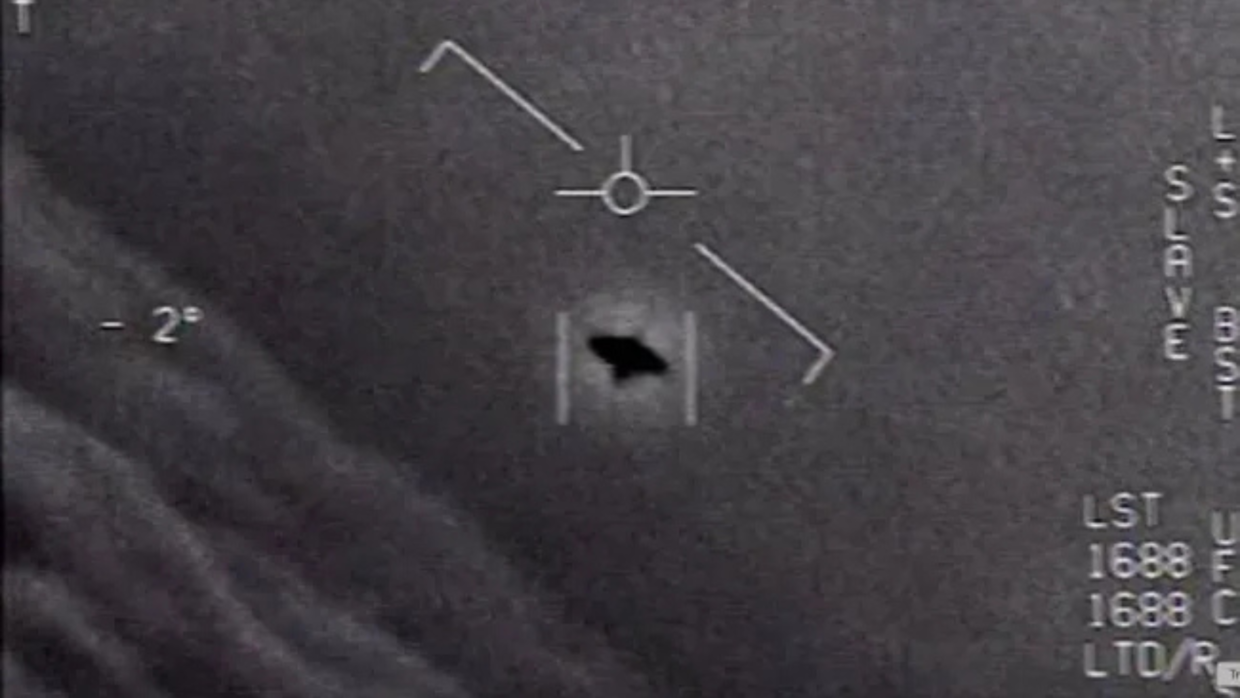
On 8 May 2026, the Pentagon began releasing files through the Presidential Unsealing and Reporting System for UAP Encounters (PURSUE). Its portal describes the released cases as unresolved and explains that insufficient information can prevent identification. The release date should therefore be distinguished from the dates of the underlying events. PURSUE records portal.
Public investigation also extends beyond the United States. In France, GEIPAN, the UFO investigation unit within the national space agency, collects witness accounts, examines possible explanations and publishes documented cases. Its classifications distinguish insufficient information from cases that remain unidentified after investigation. French space agency overview.
These examples show several ways to open information to scrutiny. They do not, by themselves, establish that every relevant record has been released or that an observation has a particular origin.
Why documents and testimony need context
An authentic government document establishes that information entered an official record. It may preserve an eyewitness account, an analyst’s hypothesis or an unverified allegation. Assessing its contents requires knowing who supplied the information, when it was recorded and what corroborates it.
In his July 2023 congressional testimony, former intelligence officer David Grusch alleged a concealed programme to recover UAP and study how they worked. He said he had learned about it from others and had been denied access. His statement is evidence of the allegation he made; it does not independently verify the programme’s existence. Grusch’s written testimony.
The Pentagon’s All-domain Anomaly Resolution Office (AARO) states in its fiscal year 2025 report that no evidence suggests a US government or private entity has captured or exploited UAP-derived materials. The report also acknowledges that inadequate sensor data constrain its ability to resolve cases. Its main reporting period covers June 2024 to May 2025. AARO’s FY2025 report.
Evaluating such disputes requires supporting records and clear explanations of how claims were tested. Official conclusions also need a basis that can be scrutinized.
What would meaningful progress look like?
Useful releases preserve context: original dates, the source of a report, available measurements, analytical methods and the reasons a case remains open. Where information is withheld, explaining the basis for withholding it helps readers understand the limits of the public record.
Better evidence also requires better collection. NASA’s independent UAP study, published in 2023, recommended approaches to future research and data gathering. It was a study of how to investigate the subject, rather than an assessment of previous sightings. NASA’s explanation of the study.
A transparent investigation can identify an ordinary object, expose an error or establish that a case deserves further examination. Each outcome can improve public understanding if the evidence and reasoning are accessible.
For each new disclosure, the practical question is: what can the public now verify that it could not verify before?