Three institutions feature prominently in the US debate over unidentified anomalous phenomena. Understanding their responsibilities helps explain who investigates reports, who supports scientific research and who demands accountability.
Who is responsible for investigating UAP in the United States? The answer depends on the question being asked.
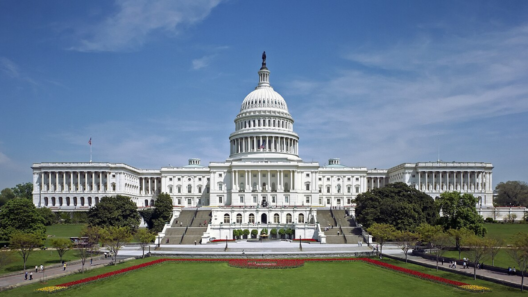
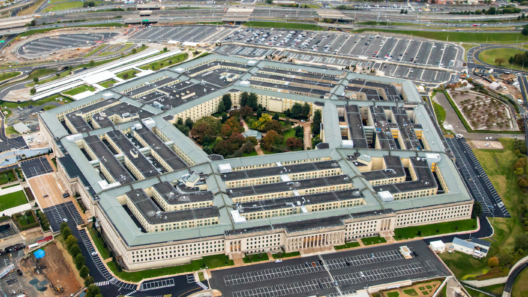
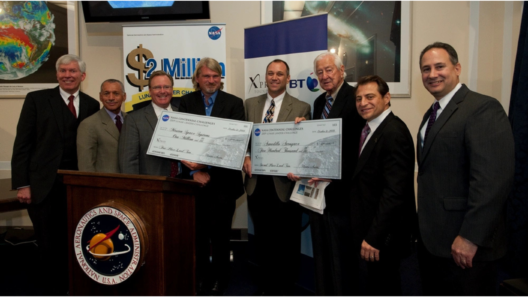
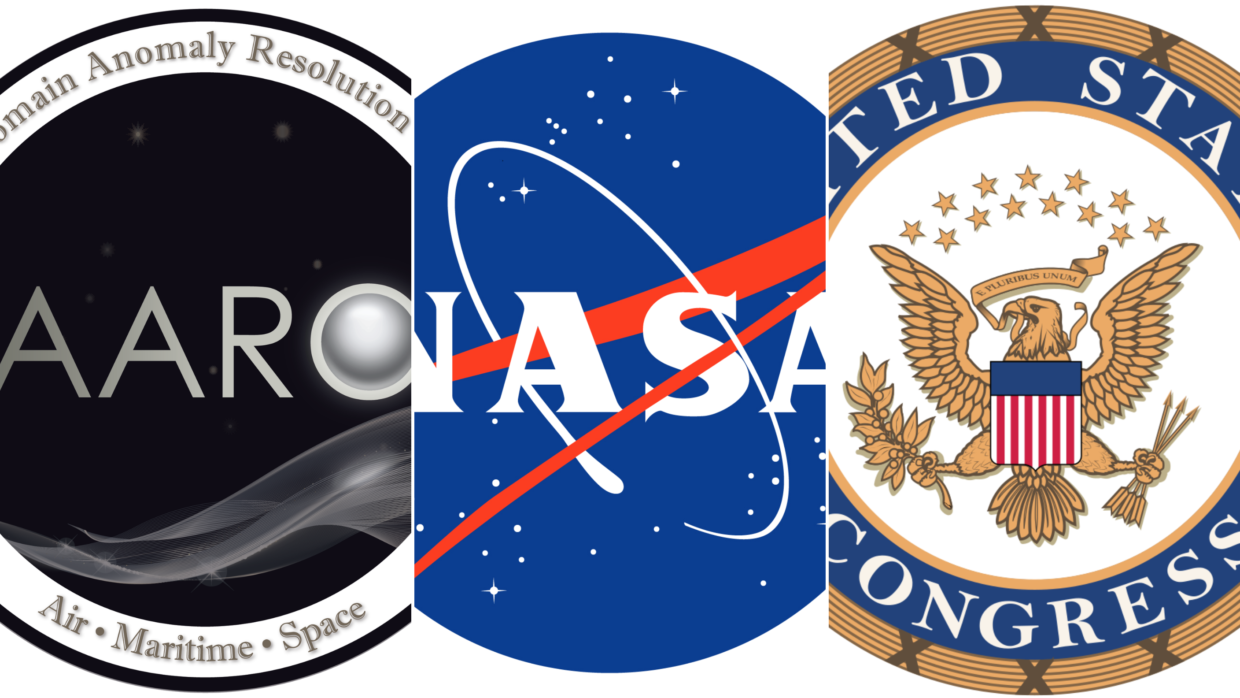
The Pentagon’s All-domain Anomaly Resolution Office (AARO) coordinates investigations and analysis. NASA contributes scientific expertise and data. Congress establishes legal requirements and oversees the executive agencies responsible for carrying them out.
Those responsibilities overlap, but each institution has a different job. A scientific recommendation, an intelligence assessment and a congressional hearing therefore need to be read on their own terms.
| Institution | Main responsibility | What to look for |
|---|---|---|
| AARO | Coordinate UAP reporting, investigation and analysis across defense and intelligence organizations | Case assessments, analytical methods and reports |
| NASA | Contribute scientific expertise, research methods and relevant data | Study recommendations and usable observations |
| Congress | Make laws, decide funding and oversee government activity | Legislation, hearings, document requests and agency responses |
AARO: investigating reports and assessing risks
AARO was established in 2022 to coordinate government efforts to detect, identify and assess unidentified phenomena, including their implications for military operations and national security. Its remit extends across air, space and maritime environments. The Pentagon’s establishment announcement.
It works with organizations that collect observations or respond to incidents. Military services, intelligence organizations and installation security teams have different operational responsibilities; AARO brings information together and coordinates analysis.
Its public work includes case resolutions, imagery and reports describing findings and limitations. The office’s fiscal year 2025 report discusses explanations involving balloons, birds, satellites, aircraft and drones. It also describes cases that require further analysis or remain open because the available information is insufficient. AARO’s FY2025 report.
That distinction matters when interpreting an unresolved case. Missing measurements can prevent identification without establishing unusual technology.
AARO is part of the defense and intelligence structure it serves. Readers should therefore examine the evidence and reasoning behind its conclusions, including how the office explains uncertainty and handles competing explanations.
NASA: improving the science
NASA’s contribution centers on the quality of observations and the methods used to analyze them.
Its independent UAP study, released on 14 September 2023, examined how available unclassified data and scientific approaches could support future research. It did not reassess historical sightings. Recommendations included better instrument calibration, multiple measurements of an event and detailed information about the sensors recording it. Those details help researchers test whether an apparent anomaly reflects an object’s behavior or the way it was observed. NASA’s study announcement.
NASA’s current FAQ makes another boundary clear: the agency does not actively search for UAP. Its Earth-observing satellites collect atmospheric information that is publicly available, although those observations are not gathered specifically to identify UAP. NASA also says it has provided materials and expertise to AARO investigators. NASA’s UAP FAQ.
A recommendation in the 2023 study should therefore be distinguished from an operational capability or a completed investigation. When NASA appears in a UAP headline, the relevant question is what research, data or technical contribution the announcement actually describes.
Congress: setting requirements and challenging agencies
Congress can establish reporting obligations, determine funding and question officials about how agencies perform their duties.
The law governing AARO requires reports to congressional committees and provides for classified briefings. These mechanisms give legislators opportunities to examine findings and challenge gaps in agency explanations. Their effectiveness depends on the information supplied and the follow-up undertaken. The statutory framework for AARO.
Oversight can also involve requests for specific records. In a letter dated 31 March 2026, the House Oversight Committee’s Task Force on the Declassification of Federal Secrets requested a list of UAP videos from the Pentagon. The task force criticized AARO’s responses and cited information supplied by whistleblowers. The congressional request.
The letter documents an oversight action and the concerns behind it. Evaluating the videos themselves would require examining the footage and supporting records. A request’s description of an incident cannot substitute for that evidence.
Congressional access and public disclosure are different
Information reaching Congress does not automatically become public. The AARO reporting statute allows an unclassified report to include a classified annex, and some briefings take place in classified settings. A public report may therefore contain less information than the material available to authorized legislators. The reporting and briefing requirements.
Public access also involves institutions beyond these three. The National Archives maintains the federal UAP Records Collection and makes publicly releasable records transferred by agencies available online. Its archival role is distinct from investigating the events described in those records. The National Archives’ UAP guide.
Following the subject requires tracking both the evidence and the process. For an AARO assessment, ask how the conclusion was reached. For a NASA announcement, identify the scientific contribution. For a congressional initiative, look for the records obtained and the questions answered.
Each institution can advance understanding. The clearest measure of progress is whether its work makes the evidence easier to evaluate.