A quieter disclosure week, 16–22 October 2026: advocates pressed Congress to preserve independent records review, while newly published remarks left questions about lawmakers’ scrutiny of released UFO files.
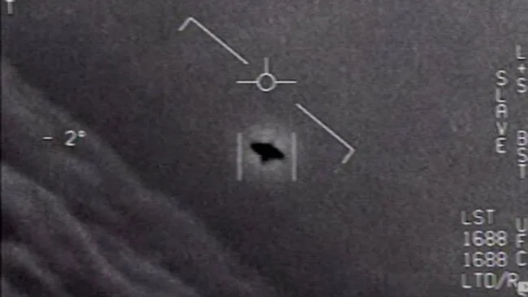
Disclosure advocates renewed pressure on congressional leaders to protect proposed legislation governing unidentified anomalous phenomena (UAP), the broader term now commonly used for UFOs. Separately, a newly published exchange with Senate Minority Leader Chuck Schumer offered an inconclusive answer to a practical oversight question: had he examined the Pentagon’s released files?
The developments focused attention on how disclosure should work—how records are preserved, who reviews them and how elected officials assess what reaches the public.
Advocates press to preserve independent review
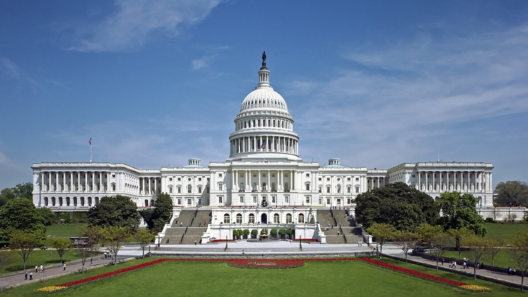
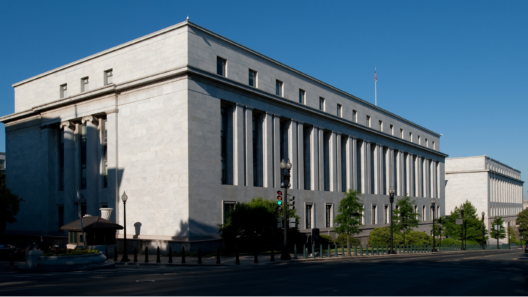
In an appeal published on 17 October, the New Paradigm Institute urged supporters to contact congressional leaders about retaining Representative Eric Burlison’s UAP Disclosure Act in the final Fiscal Year 2027 National Defense Authorization Act, the annual defence policy bill. Its campaign targets 13 offices across congressional leadership and the Armed Services and Intelligence committees. UFO FEED
The institute’s campaign page argues that negotiations could weaken the provisions. That warning is the organisation’s advocacy position; the appeal itself does not establish that negotiators have agreed to remove them. The week’s development was renewed public pressure over an existing proposal.
The underlying amendment dates to 22 July 2026, when the House adopted it. According to Burlison’s official announcement, it would establish an independent, Senate-confirmed UAP Records Review Board with subpoena authority, require agencies to preserve and transmit covered records, and extend disclosure requirements to covered government contractors. newparadigminstitute.org
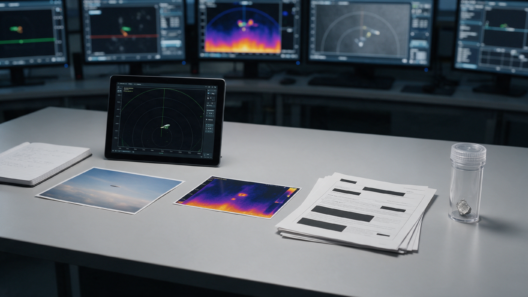
Those provisions address a concrete accountability problem: records can exist across multiple agencies and contractual arrangements, leaving the public dependent on separate release decisions. An independent review process could provide a mechanism for examining withholding decisions and seeking additional records. Its effectiveness would depend on the final statutory language, implementation and access to the relevant material.
Newly published Schumer exchange leaves scrutiny unclear
On 17 October, congressional reporter Matt Laslo’s Ask a Pol published a short exchange with Schumer, recorded at the Capitol on 30 September. The distinction matters: the interview became available during this reporting week, but the conversation occurred more than two weeks earlier.
Asked whether he had looked at the Pentagon’s successive releases of UFO files, Schumer said: “We’re interested in making things public, you know that.”
Laslo then combined two questions: whether Schumer had actually examined the material and whether he took the White House’s effort seriously. Schumer replied: “Who knows?” before entering his vehicle. askapoluaps.com
The exchange does not establish whether Schumer read the files. Because the follow-up joined two questions, his answer also cannot reliably be assigned to either one. It provides no substantive assessment of the released material and should not be treated as a verdict on UAP evidence.
The week therefore left two practical questions open: whether the proposed independent review provisions will survive into law, and how thoroughly congressional leaders are evaluating the records already available. Progress on disclosure will be easier to assess when those questions produce identifiable decisions, documented reviews and records the public can examine.
Sources
- New Paradigm Institute, congressional campaign appeal, published on UFO Feed, 17 October 2026.
- New Paradigm Institute, Keep the UAP Disclosure Act in the FY2027 NDAA.
- Office of Representative Eric Burlison, House Adopts Burlison Amendment Establishing UAP Disclosure Framework, 22 July 2026.
- Matt Laslo, Ask a Pol, Schumer on the Pentagon’s UFO files, published 17 October 2026; interview recorded 30 September 2026.